SYKES-VCS

PERSONAL_STORY / WHY_SYKES

A personal systems engineering project

Sykes-VCS began after I left corporate project steering in automotive software. I wanted to go deeper into technology again, return to the systems programming roots I enjoyed in school, and use a very hard problem, replacing Git and eventually GitHub, as the learning project that would force me to become better without optimizing for time to market.

FOUNDER_AND_SYKES OUTSIDE_THINKING
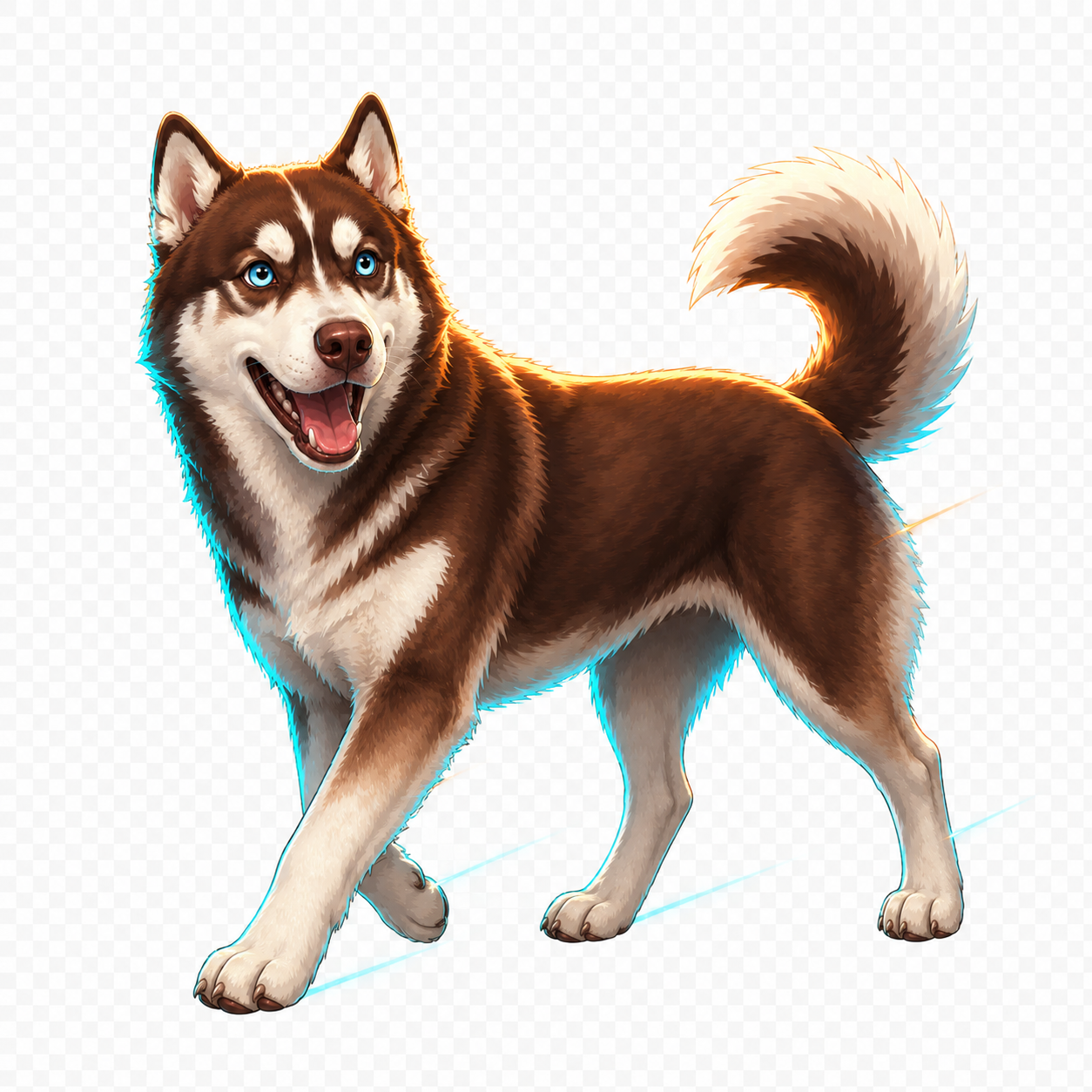
The founder walking with Sykes while thinking through the project
Portrait of the founder of Sykes-VCS

FOUNDER_PATH

From steering programs to writing systems code

The personal shift behind Sykes-VCS is from managing large software programs to owning the hard technical details again. Automotive project work taught scale, constraints, and responsibility. Apps taught what it means to ship for real users. Sykes-VCS is the project that brings that back to fundamentals: data, storage, synchronization, performance, correctness, and code written by hand.

Porsche CARIAD 500k+ app users
From programs to the machine automotive

Leaving steering behind

Before Sykes-VCS I worked in large automotive software programs at Porsche and CARIAD, the VW Group software company, across infotainment and ADAS/AD. I managed large projects and restructuring work, but over time I wanted to leave project steering and corporate politics behind and go deeper into technology again.
Shipping for real users apps

Apps proved the product muscle

Alongside my company work I published iOS apps that reached more than half a million users over time and created a meaningful side income. After quitting my corporate job I focused on apps for a while, but eventually realized that it was not challenging enough for the kind of engineer I wanted to become.

Back to fundamentals systems

The pull of C and systems work

When I was in school I really enjoyed programming in C. After years of higher-level product and project work, I wanted to go back to the roots: memory, data structures, files, synchronization, performance, correctness, and the discipline of understanding what the machine is doing.

The challenge appears trigger

GitHub trouble made Git visible

Around that time GitHub was having serious uptime problems and unreliable feature behavior. At the same time, Git itself has long-standing workflow issues and missing functionality for live collaboration, provenance, and modern agent-assisted development. That became the challenge: build a replacement for Git, and from there a replacement for GitHub.

Evolving the toolchain c

From Zig to C

Sykes-VCS began in Zig, but the active project has since moved to C and is now written in C. TigerBeetle, its design philosophy, and TigerStyle remain important engineering influences even though Sykes no longer shares its implementation language.

Learning how to build well craft

Performance-aware from the start

Casey Muratori's approach to performance-aware programming is another major influence. I am part of the Computer Enhance course, enjoy it a lot, and try to apply what I learn there while building Sykes: understand the hardware, avoid accidental complexity, and make performance a design concern from the beginning.

Where the thinking happens sykes

Sykes became the natural name

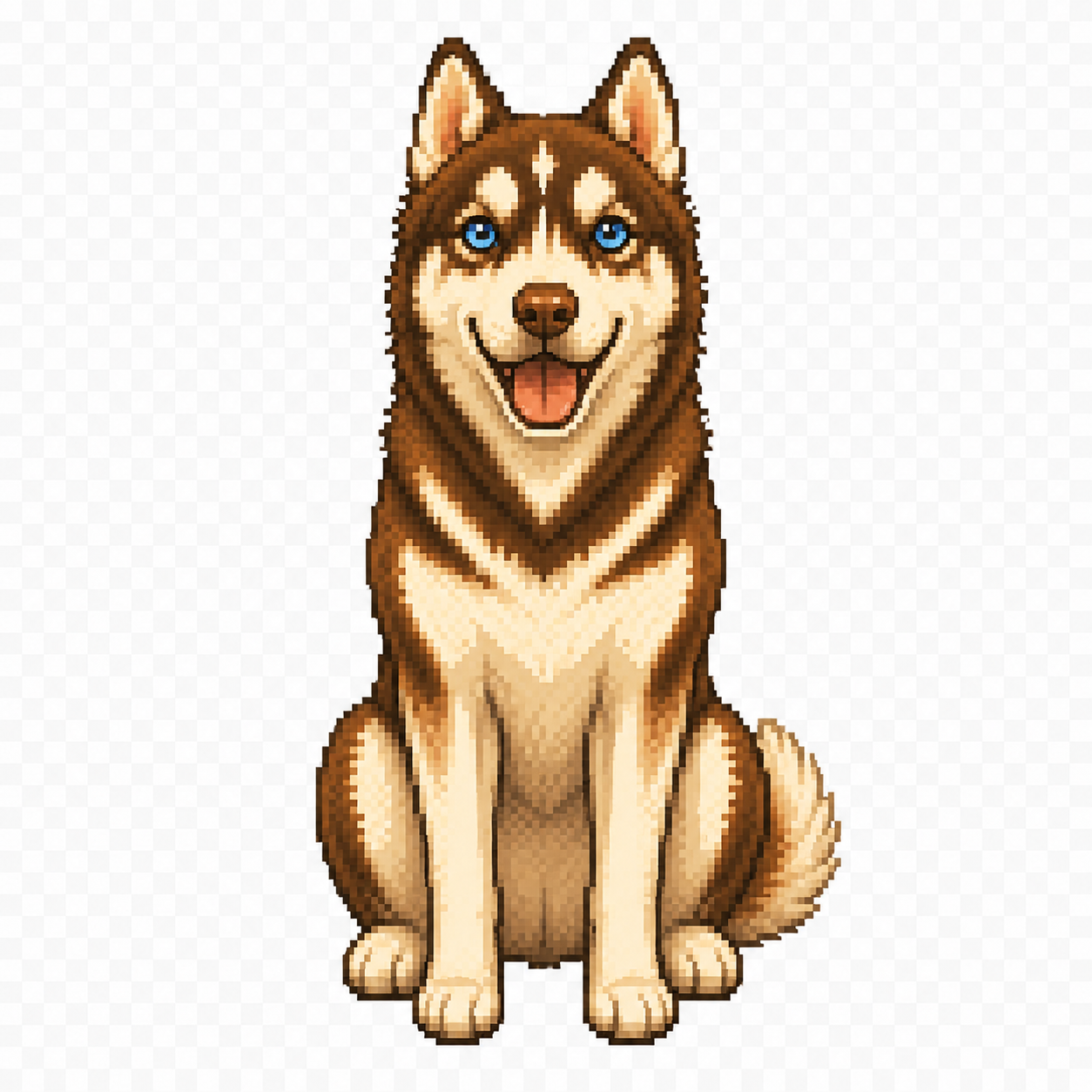
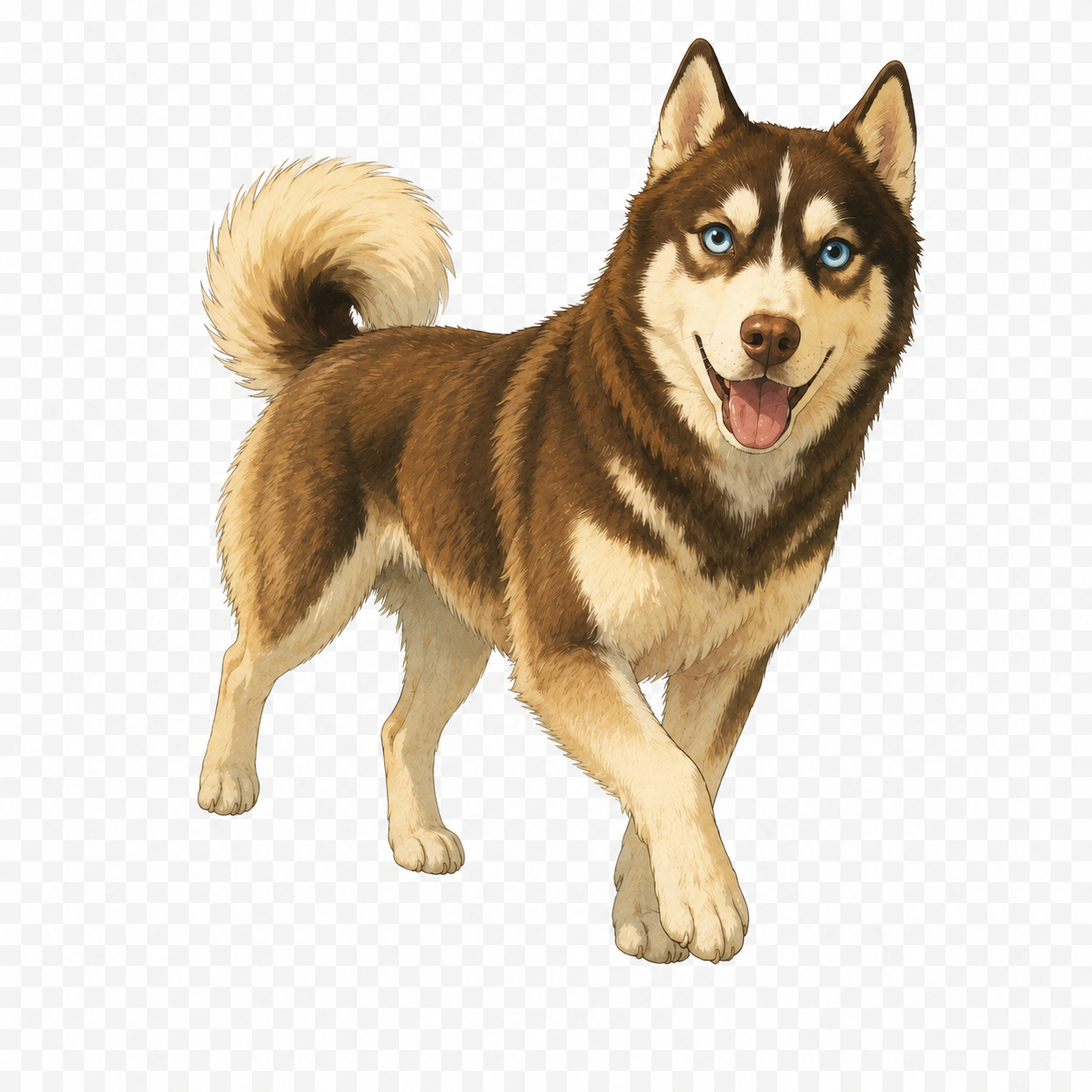
Sykes is my Siberian husky companion. Because he is a husky, we spend a lot of time outside. I use that time to think deeply about how to build the version control system, how the data model should work, and what the product should become. The name came naturally because Sykes is part of the time and space where the project is formed.

Protecting the learning loop boundary

Hand-written for accountability

Sykes-VCS is completely hand-written so the important decisions stay owned, understood, and accountable. This is not a statement about AI capabilities. It is a choice about how I want to operate: write my own code, make my own decisions, think deeply, learn, and craft a highly performant system.

BUILD_RULES

The rules of building Sykes-VCS

The project only works if the way it is built matches the reason it exists: learn the hard parts directly, keep the implementation hand-written for accountability, use AI as pressure rather than authorship, and make performance and correctness part of every decision.

Rule 01 / Own the hard parts

Sykes-VCS exists to build real systems-engineering ability, so the difficult parts stay inside the learning loop and remain personally accountable.

Rule 02 / Write it by hand

Implementation, architecture, documentation, and product decisions have to remain personally understood, intentionally written, and owned.

Rule 03 / Use AI as pressure

AI is useful for research, comparison, and challenging assumptions, but the hand-written boundary is about accountability and learning, not about dismissing AI.

Rule 04 / Respect the machine

Every design should stay performance-aware: understand the data, memory, storage, synchronization, and failure modes before adding abstraction.

BUILD_PHILOSOPHY

A hard project chosen on purpose

Sykes-VCS is the challenge I chose because it sits at the intersection of databases, distributed systems, collaboration, storage, compression, performance, and product design. It is difficult enough to be worth doing and personal enough that I want every important part of it to be understood, owned, and written by hand, even if that means quality over speed.